Decolonized Mars started as a photographic science-fiction story based on the debate about the term “Anthropocene” suggested by Paul Crutzen and Eugene F. Stoermer. It is a visualization of a version of one future’s nature. Is there such a thing as nature now and in a future and is it detached from culture and technology?
STORY:
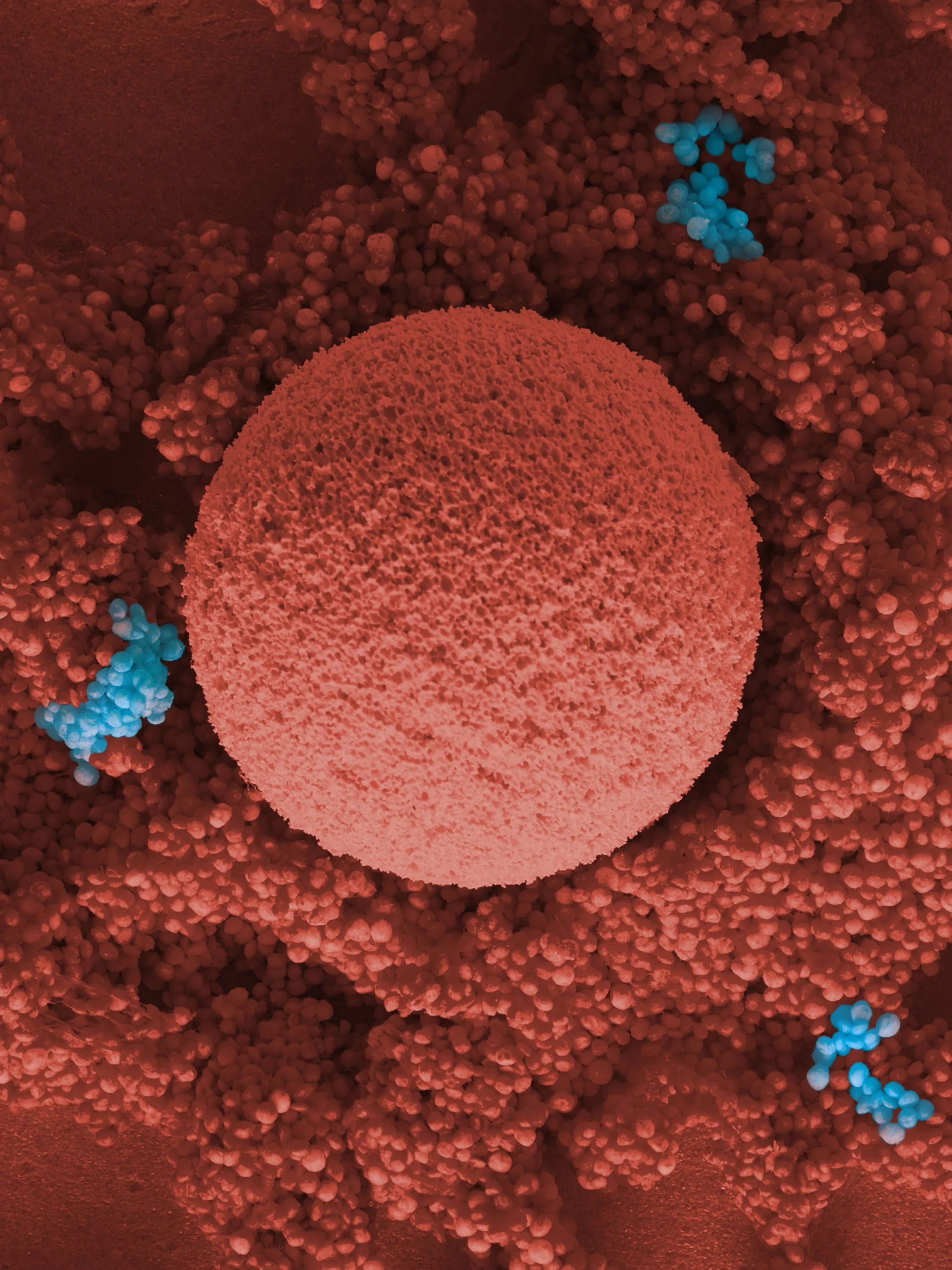
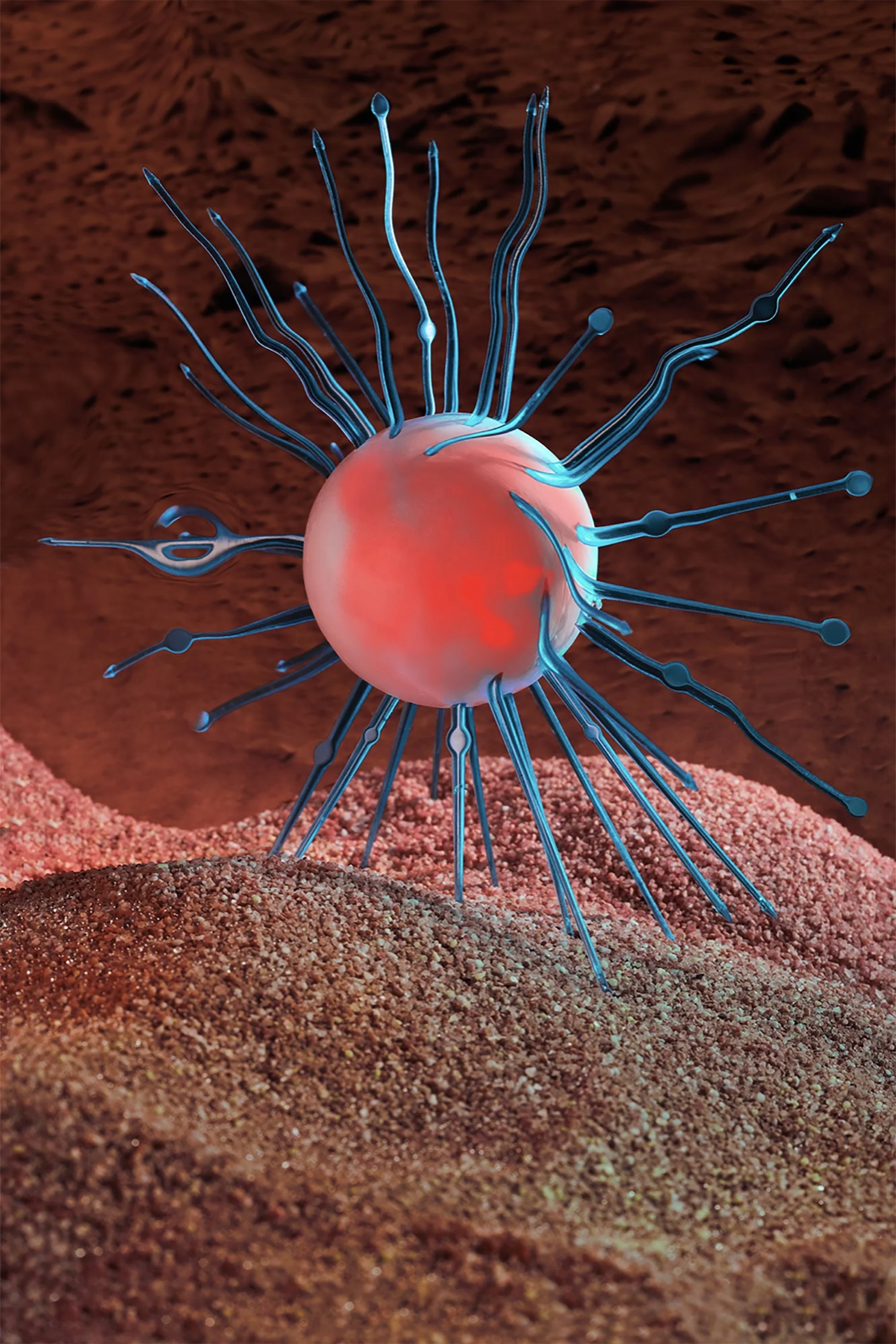
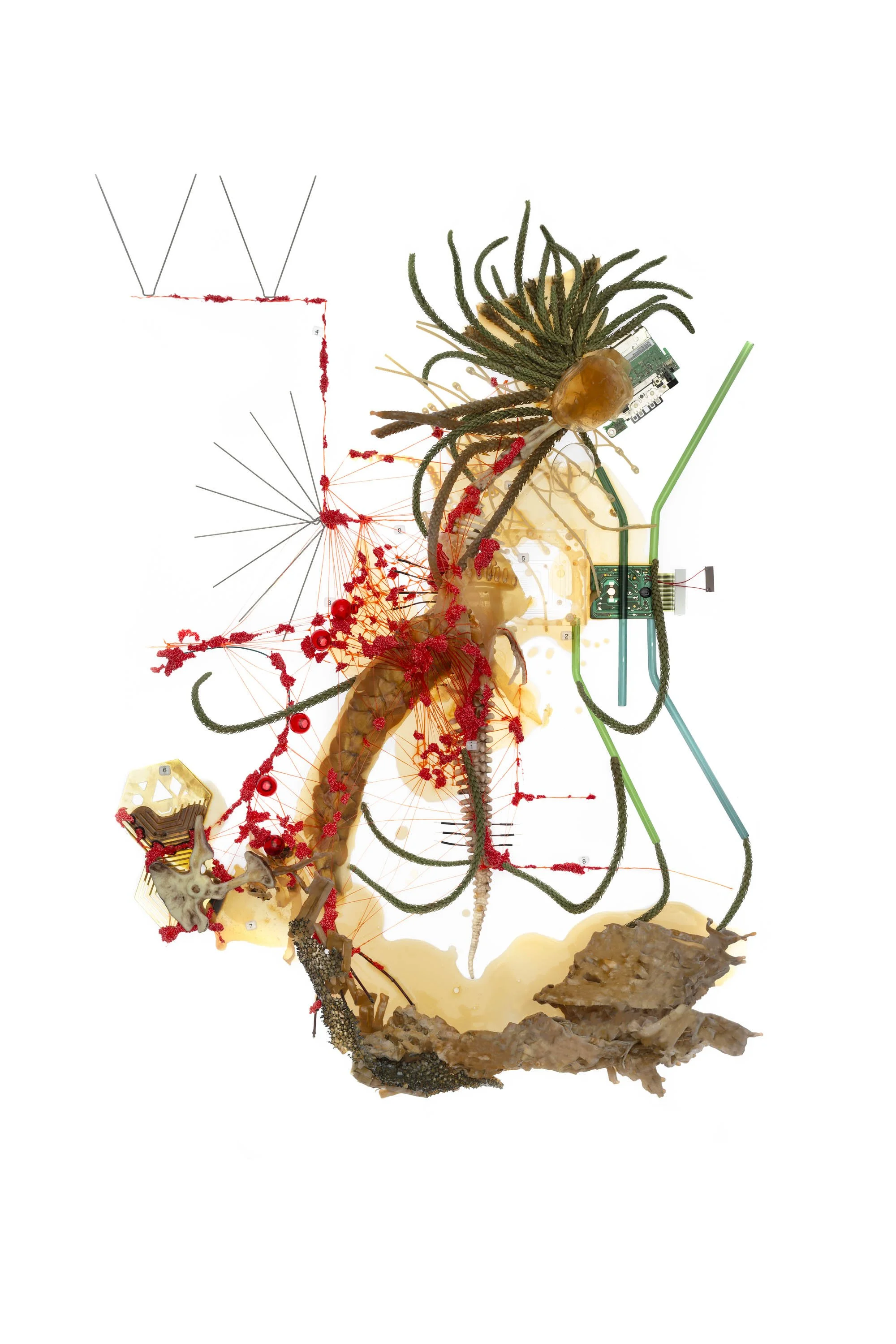
With the help of CRISPR-cas9, plants are engineered to withstand harsh conditions on martian surface and build an atmosphere for future human survival on Mars. Unexpectedly there is an undocumented bacterium on Mars. Similar to real Wolbachia bacteria, the fictive „Erythro-bacteria“ is able to transform the hosts DNA. Instead of terraforming Mars for human purposes, a new life form starts changing and transforming the Martian landscape unexpectedly and without control. As soon as human beings touched Martian soil, their DNA would also get transformed into something not categorizable. Changing its appearance and life form undisturbed and continually, the new organism transforms into one big organism with Mars (referring to Gaia Hypothesis, Holobiont by Dr.Lynn Margulis).
PHOTOGRAPHIC PRACTICE:
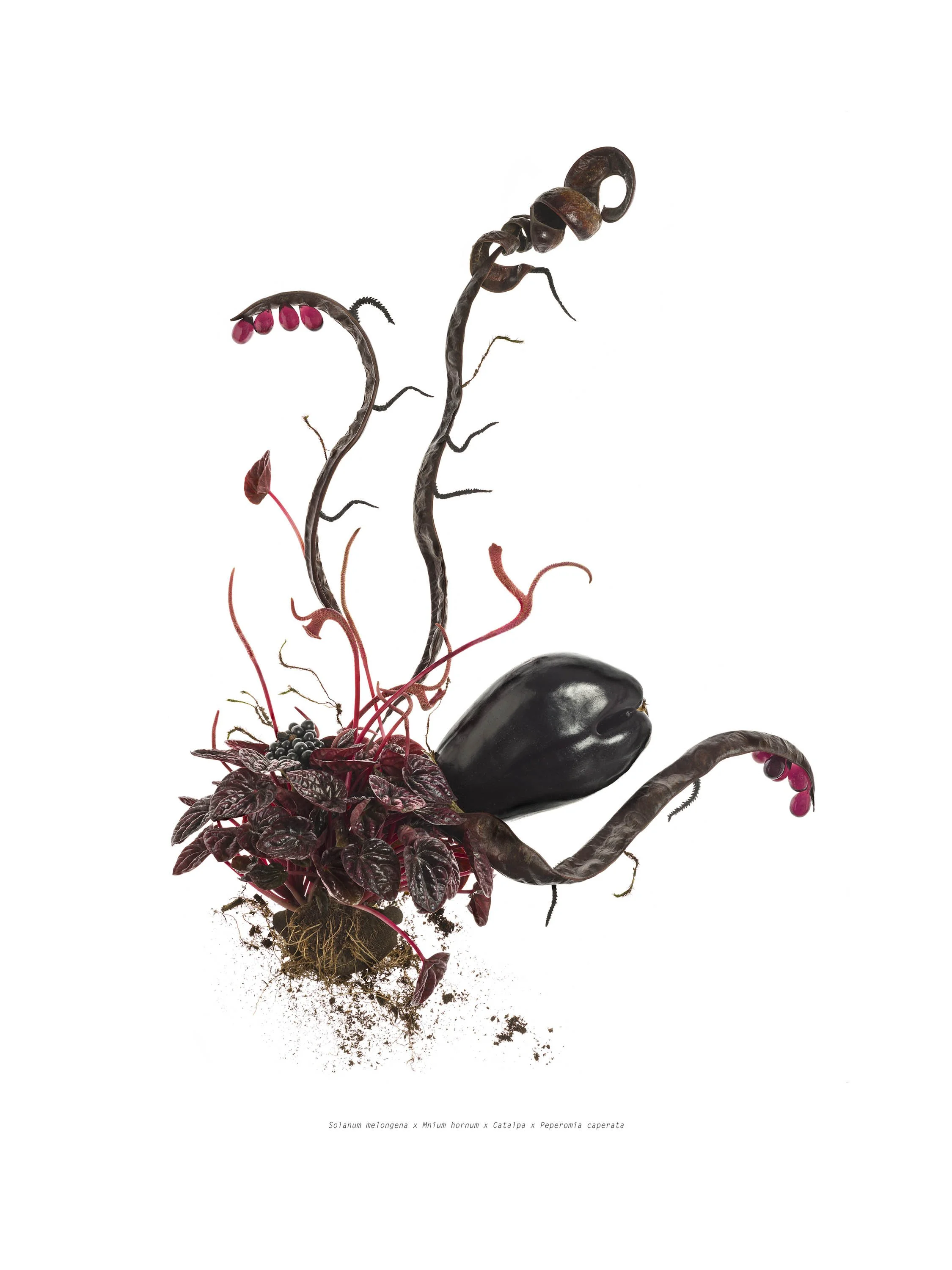
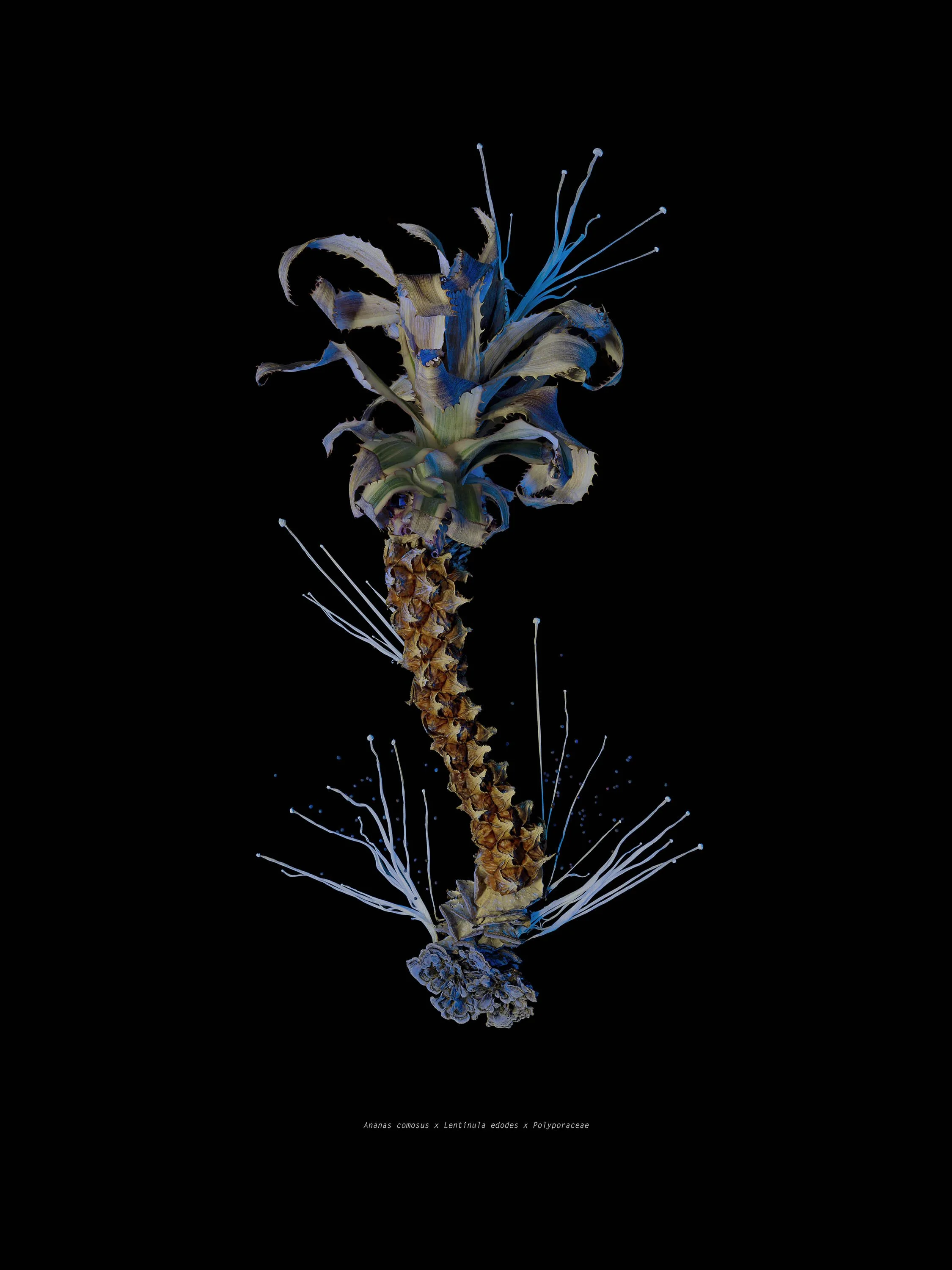
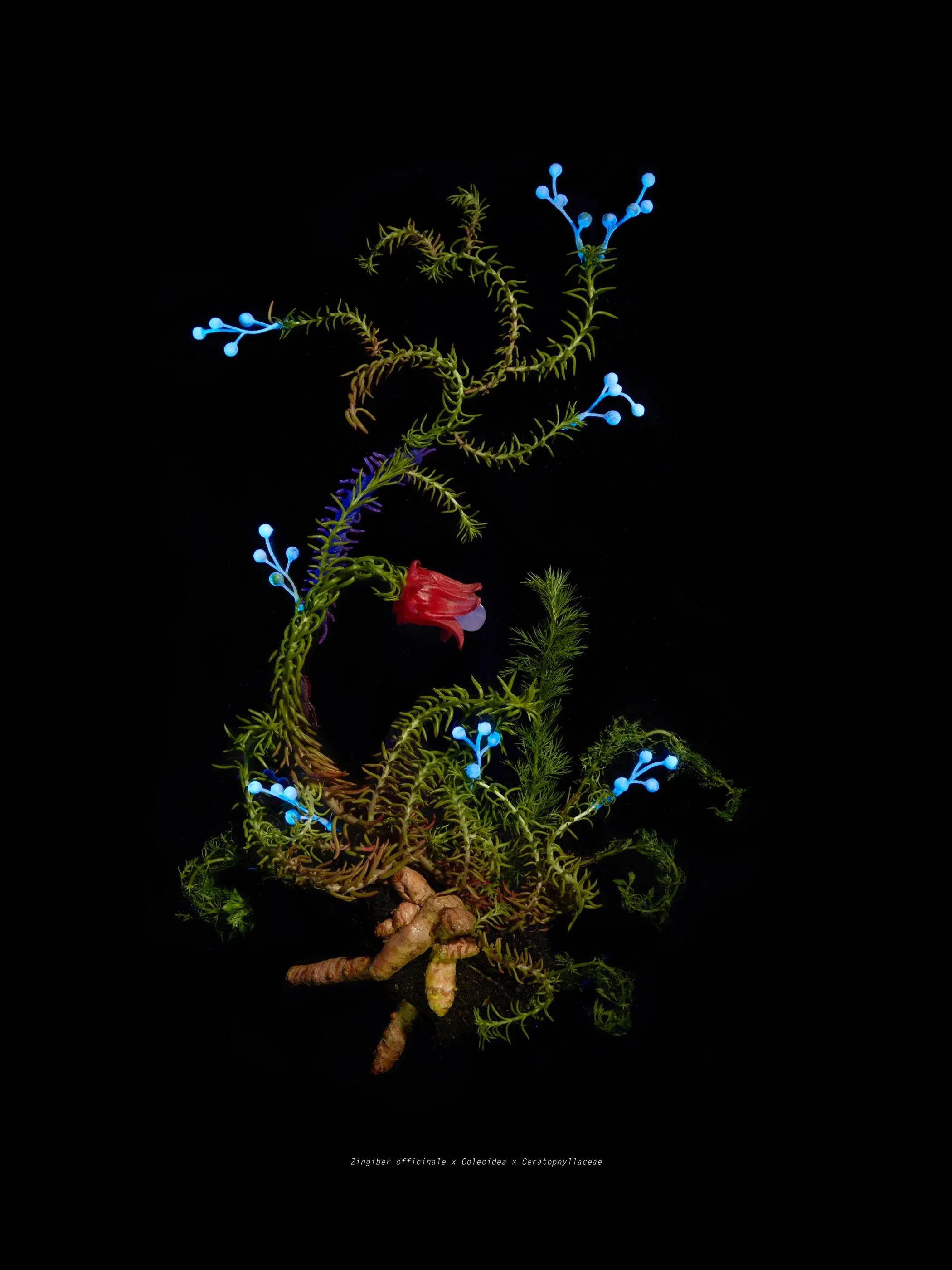
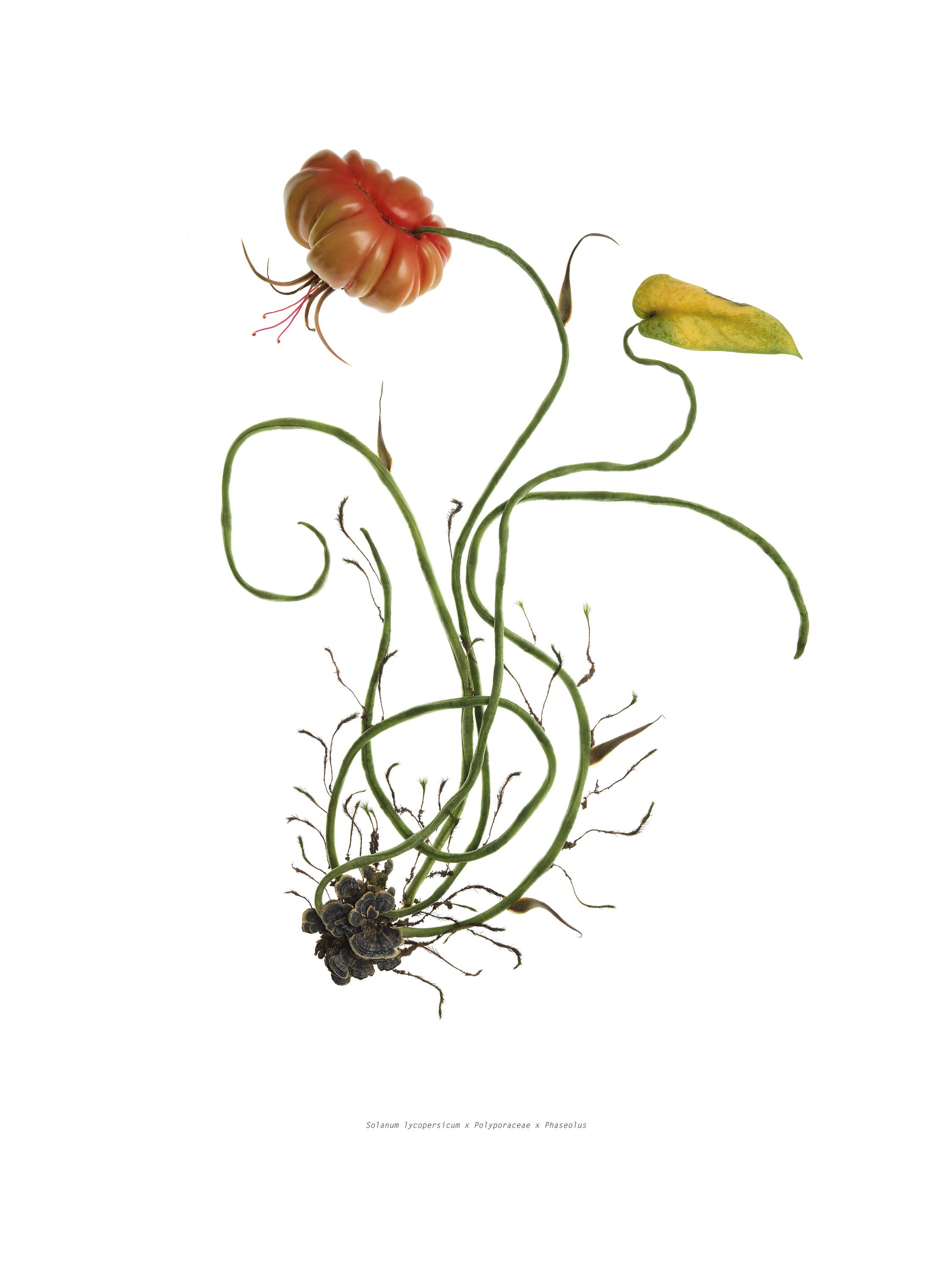
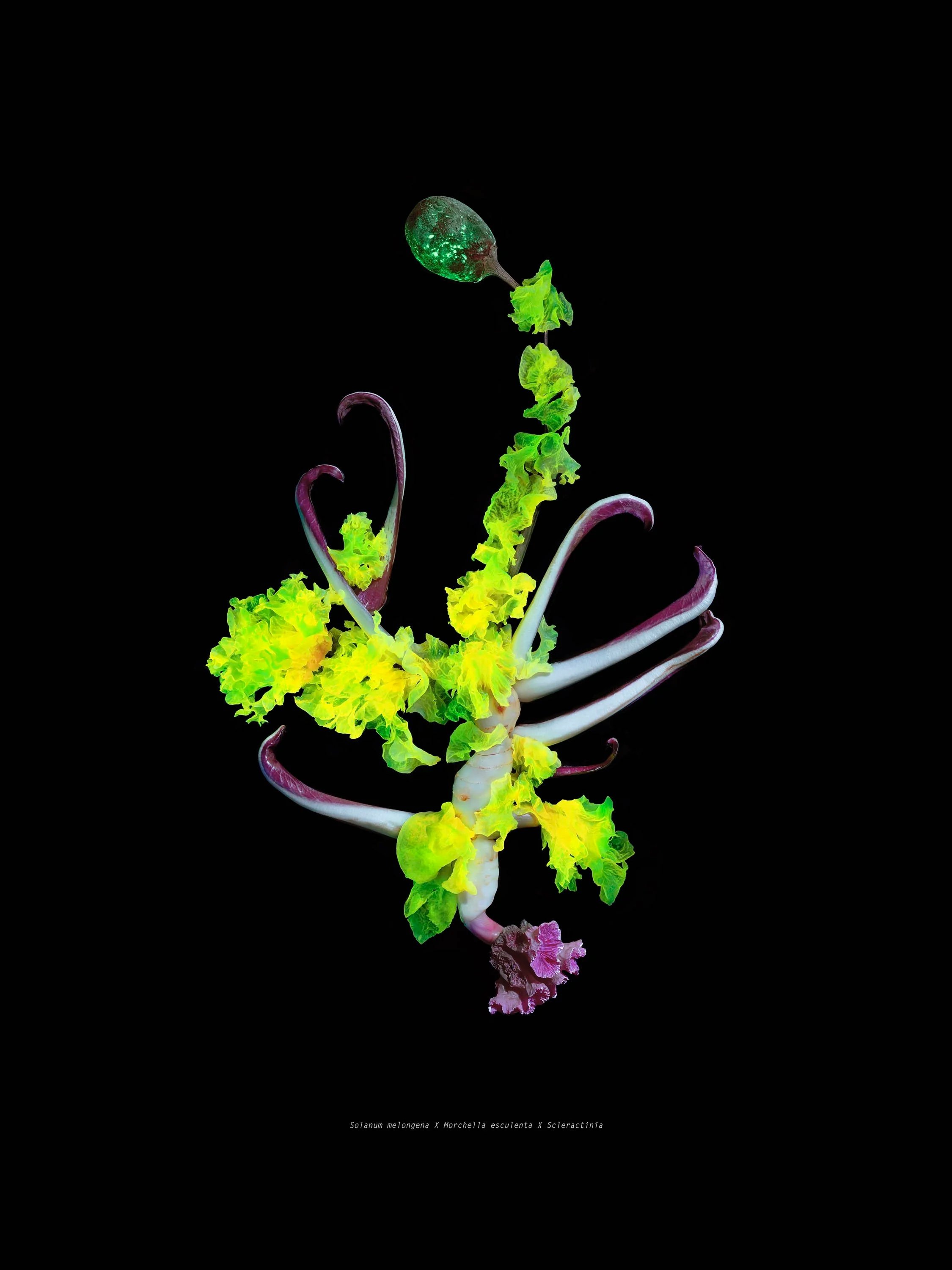
I: Genetically engineered plants. Each plant is built of different plant parts consisting of one scientifically relevant plant and one colonial connotated plant. I worked with the aesthetics of a herbarium.
II: The Erythro bacteria, which lived on Mars undetected by human technology, is shown alongside an AI generated text about the fictive bacteria.
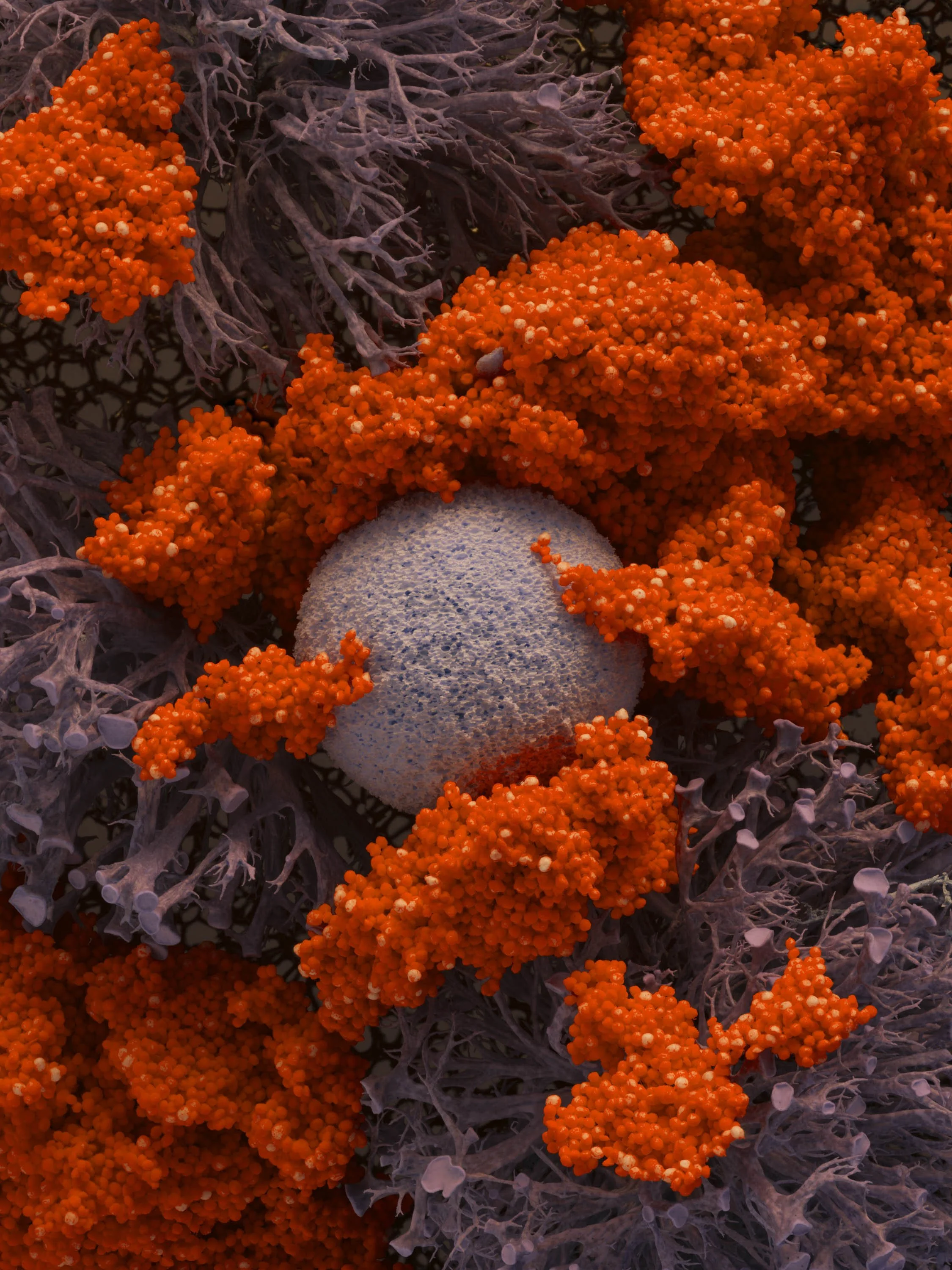
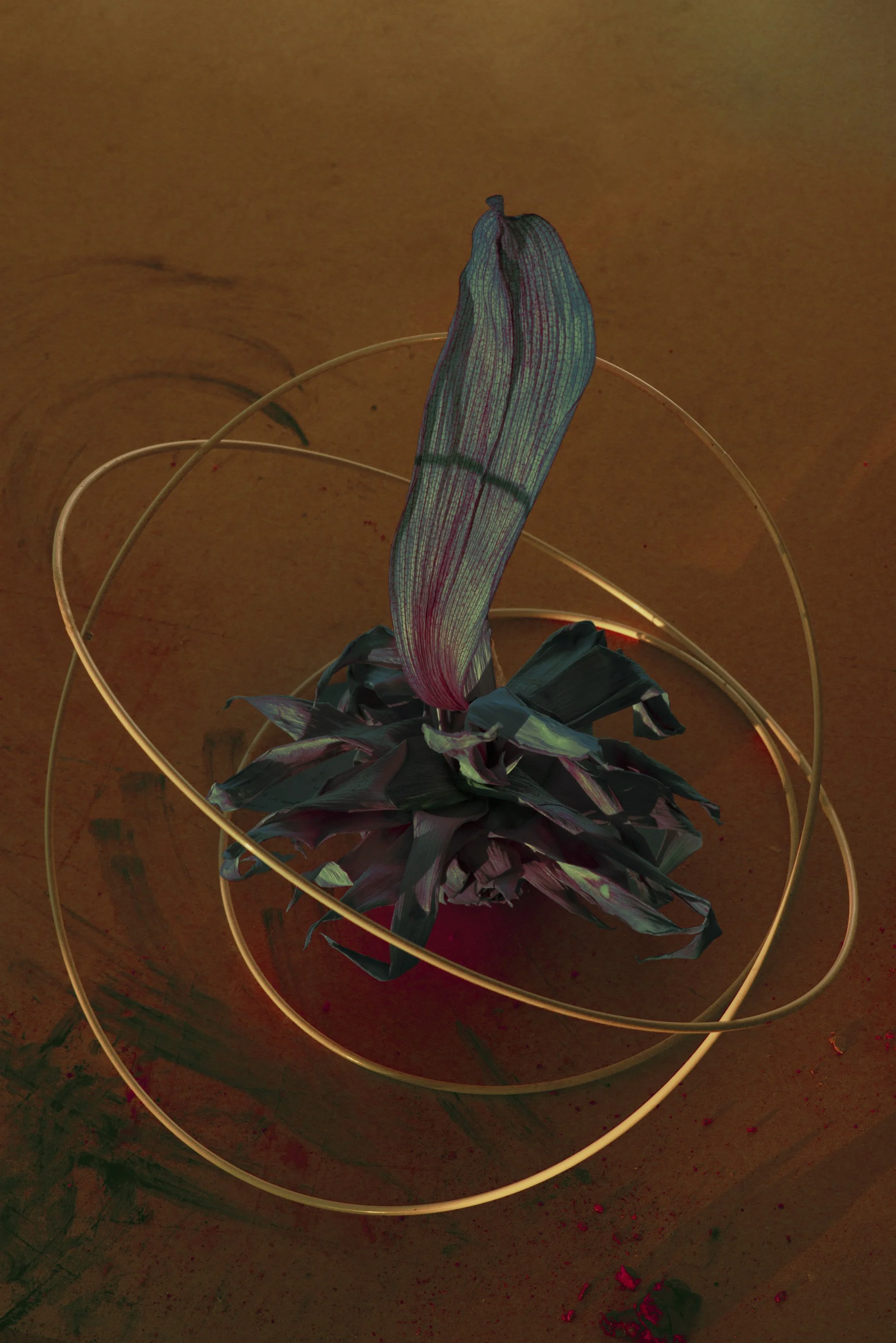
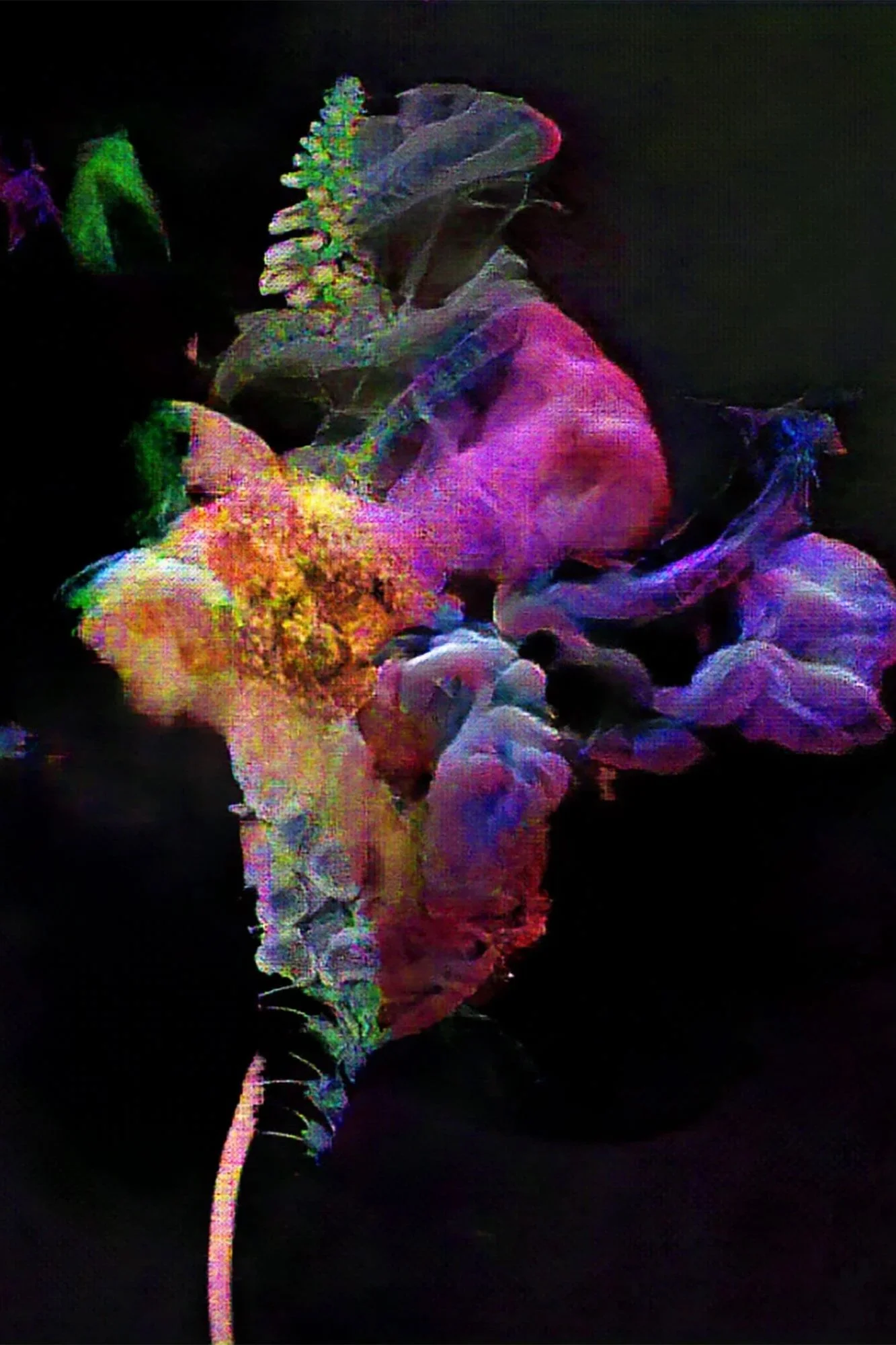
III: A transformation of Mars and its organism, represented by several images (also sequences of motions or interpolations) generated by a GAN (generative adversarial network) programmed by Markus Goldgruber. The GAN is the metaphor for the bacteria on Mars, echoing the loss of control or relinquishing of control by humans. The debate about the term “Anthropocene” is a debate about the perception of humans and or culture in nature. It is a debate about the future of the concept of nature and the roots of the consequences we as humanity are facing now concerning environmental damage. And it is a debate about the relation of human, nature, culture and technology, which cannot be separated in my opinion.